Luxury product authentication gives each item a unique digital identity with an immutable provenance record from manufacture to consumer. A scan of the item checks that identity and its ownership history against a shared record. The approach protects brands from counterfeits and grey-market sales, and lets the brand set the rules for resale.
Key Takeaways
- Luxury product authentication works by pairing a physical marker on the item with a digital identity and a recorded history.
- Provenance covers primary and secondary ownership, so authenticity can be proven at resale as well as at first purchase.
- Authorised channels, resale rules and royalties can be enforced by contract, which addresses grey-market diversion.
- A digital ownership certificate gives the brand a lasting relationship with the verified owner.
- Istakapaza runs luxury commerce as a governed B2B2C ecosystem on MARCO (Marketplace Ecosystem), where every item carries its identity and provenance and resale follows the brand's rules.
What Is Luxury Product Authentication
Luxury product authentication is the process of proving that a specific item was made by the brand it carries and has the history it claims. Traditional authentication relies on expert inspection, paper certificates and receipts. All three can be forged, lost or separated from the item.
The digital approach gives each item its own identity at manufacture. A marker on or inside the product, such as an NFC chip, a QR code or an engraved serial, links the physical item to a record that the brand created. Every later event, from shipment to sale to resale, is added to that record.
In luxury retail, trust and provenance are as valuable as the product. An item with a complete, verifiable history holds its value better and changes hands with fewer disputes, which is why Istakapaza builds authenticity into every sale on MARCO, its B2B2C marketplace platform.
The Pressure On Luxury Brands
- Counterfeit and grey-market products. Copies damage the brand, and genuine goods diverted outside authorised channels undercut pricing and presentation.
- Fragmented distribution and resale. Boutiques, department stores, online retailers and resale sites each keep their own records.
- Limited visibility of ownership after the sale. The brand usually loses sight of an item once it leaves the store.
- Weak post-sale engagement. Without knowing who owns an item, the brand cannot offer care, service or access to the right person.
Resale has made these pressures sharper. A large share of the life of a watch, a handbag or a piece of jewellery is now spent with second and third owners, and the brand has had little say in how those sales happen. One shared record across brand, retailers and resale channels is the gap MARCO closes.
How Does Luxury Product Authentication Work
On the Istakapaza platform, an item moves through six recorded stages.
- At manufacture, the item receives a unique digital identity that records its model, materials, serial and production details.
- A physical marker binds the item to that identity, and the choice of marker depends on the product and its price point.
- Each movement through authorised distributors and retailers is recorded against verified participants.
- At first sale on MARCO or an authorised retailer, ownership is assigned to the buyer and a digital ownership certificate is issued.
- When the item is resold, the transfer is recorded under the resale rules of the brand, and the certificate passes to the new owner.
- Any buyer, retailer or service centre can scan the item to confirm its identity and view the history that the owner has agreed to share.
The record has value only if the parties writing to it are verified. That is why product identity sits on top of participant identity: every brand, distributor and retailer on MARCO is verified once before it can write to the record.
Four Capabilities Of A Luxury Product Authentication Platform
- Digital product identity and provenance across primary and secondary ownership, from manufacture to the current owner.
- Smart-contract distribution and resale, with authorised channels, brand-defined resale rules and royalties.
- B2B2C marketplaces that are curated, with role-based access for brands, retailers and buyers.
- Loyalty tied to verified ownership, including ownership certificates, rewards and exclusive access.
The second capability is the one that deals with the grey market. When a sale is valid only through an authorised participant, a diverted item shows a gap in its record. Resale rules and royalties run the same way, as smart contracts that execute at the point of transfer.
The third follows the B2B2C marketplace model. Plain B2B Ecommerce stops at the retailer. On MARCO, a brand reaches consumers through its retail partners on one shared transaction layer while each partner stays commercially independent.

Expert Inspection Vs Certificates Vs Digital Luxury Product Authentication
| Question | Expert Inspection | Paper Certificate Or Receipt | Digital Product Identity |
|---|---|---|---|
| What it proves | The item looks and feels right today | A document once accompanied an item | This item was registered by the brand and has this history |
| Resistance to forgery | Depends on the expert | Low | High, because identity and custody are both checked |
| Works at resale | Yes, at a cost per check | Only if the papers survive | Yes, by scan, for every owner |
| Grey-market detection | No | No | Yes, through gaps in authorised custody |
| Brand sees ownership | No | No | Yes, with the consent of the owner |
Expert inspection still has a place, especially for vintage pieces made before any digital identity existed. For new production, the digital record removes most of the cost and doubt from later checks.
Where Luxury Product Authentication Applies
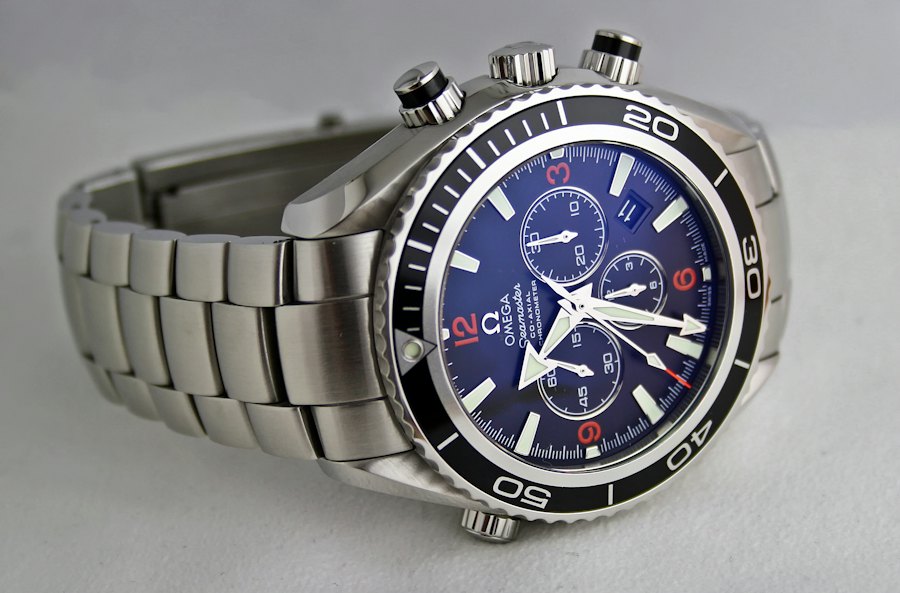
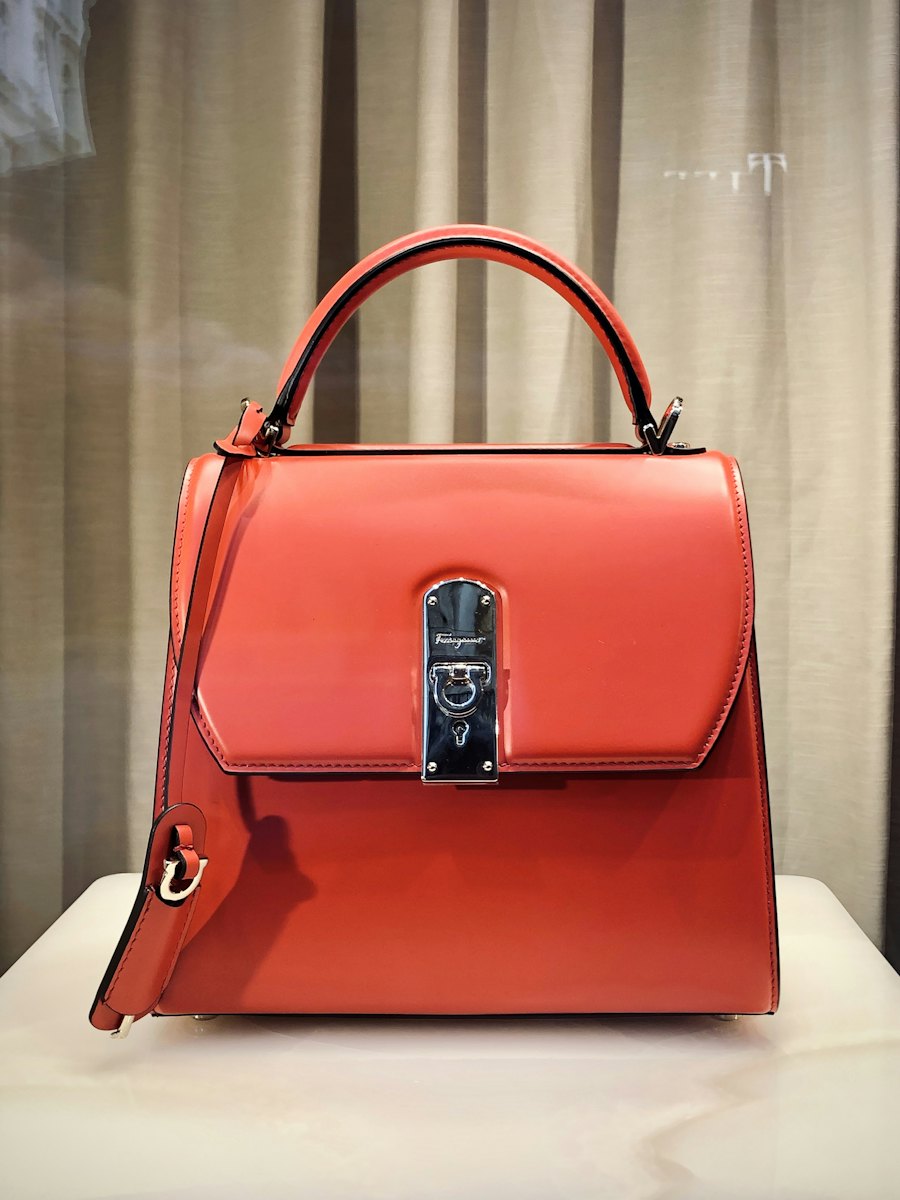
The same method covers luxury fashion and accessories, high-end electronics and art, certified pre-owned and resale, and watches, jewellery and collectibles. It integrates with existing retail and ERP systems and supports cross-border resale.
The technique is shared with industrial sectors. Spare parts are serialised and followed through a dealer network in the same way, as the article on genuine parts traceability in the automotive aftermarket shows.
The same principle, that the evidence travels with the asset, also runs at Pazalabs, our partner platform for real-world assets. There it applies to real estate, funds, private credit and receivables, where every asset carries its title verification and diligence before an investor commits.
Who Benefits
- Brands gain anti-counterfeit protection, lifecycle visibility and resale control.
- Retailers and marketplaces gain verified inventory and fewer disputes.
- Consumers gain guaranteed authenticity and ownership history.
How MARCO Handles Luxury Product Authentication
Istakapaza runs luxury commerce as a governed B2B2C ecosystem where authenticity is part of every transaction. Every product gets a unique identity and immutable provenance from manufacture to consumer, and authorised channels, brand-defined resale rules and royalties are enforced by contract. The configuration is described on the retail industry page.
Curated marketplaces with role-based access run on MARCO, the white-label marketplace platform, which is live today. Digital ownership certificates connect loyalty rewards and exclusive access to verified ownership. This is Ecosystem Commerce applied to luxury: brand, retailers, resale channels and owners act on one record.
Provenance is recorded on Hyperledger Fabric v2.5 LTS. Personal data about owners stays off chain and only the proof is anchored, and visibility is permissioned by role. The reasoning is set out in why enterprises choose permissioned blockchain. End users never see the blockchain underneath this Ecosystem Commerce layer.
See Luxury Product Authentication On Your Own Catalogue
- Book a luxury product authentication demo with the Istakapaza team.
- Bring one product line from your catalogue, your list of authorised distributors and retailers, and your current resale policy.
- The demo shows that line on MARCO with a digital identity per item, recorded custody through your channel, an ownership certificate at first sale and resale under your rules and royalties.
See the full capability set on the MARCO white-label marketplace platform page.
Frequently Asked Questions
How do you authenticate a luxury product digitally?
The item carries a marker, such as an NFC chip, a QR code or a serial, that links to a digital identity created by the brand at manufacture. Scanning the marker checks that the identity is valid and unique, and shows the recorded history of custody and ownership. A copied marker fails because the history does not match.
What is digital provenance for luxury goods?
Digital provenance is the recorded history of an item from manufacture onwards: where it was made, which authorised partners handled it, when it was first sold and how ownership has changed since. The record is written by verified participants and cannot be quietly altered, which is what gives it evidential value at resale.
Can brands control the resale of their products?
A brand can define resale rules for items that carry its digital identity. The rules can name authorised resale channels, require an authenticity check on transfer and apply a royalty to the brand. Transfers made under the rules keep the item within its verified history, which gives owners a strong reason to follow them.
How does product authentication stop grey-market sales?
Each item is recorded as it moves through authorised distributors and retailers. An item that appears for sale outside that route shows a gap or an unexpected last holder in its record. The brand can see where the diversion happened and act on it, and buyers can see that the item lacks a complete authorised history.
What software handles luxury product authentication and resale?
Istakapaza runs luxury commerce as a governed B2B2C ecosystem, with curated marketplaces on MARCO, its white-label marketplace platform. Each item carries a unique identity and provenance from manufacture, resale rules and royalties are enforced by contract, and digital ownership certificates link loyalty and exclusive access to the verified owner.
Glossary
- Provenance
- The documented history of an item, including its origin and successive owners.
- Grey Market
- The sale of genuine goods through channels the brand has not authorised.
- Digital Product Identity
- A unique digital record created by the brand for one physical item.
- Ownership Certificate
- A verifiable record that links an authenticated item to its current owner.
- Certified Pre-Owned
- Second-hand goods that have been authenticated and approved for resale under defined standards.
- Resale Royalty
- A payment to the brand that is applied when an item changes hands on the secondary market.
Back to the blog.