A rural commerce platform brings producers, cooperatives, traders, NGOs and financial institutions onto one infrastructure. Each participant has a digital identity, prices and settlements follow agreed rules, and produce is traced from the village to the market. The resulting transaction history gives rural participants a verifiable credit record, which is the foundation of financial inclusion.
Key Takeaways
- A rural commerce platform joins identity, enforceable trading rules and last-mile traceability in one system.
- Payment apps, urban Ecommerce and siloed government schemes each reach part of rural life and leave producers without a usable record.
- A verifiable transaction history is the missing input for rural lending and insurance.
- NGOs, development institutions and governments gain real-time evidence of outcomes and transparent disbursement.
- MARCO (Marketplace Ecosystem) runs rural trade as a governed community and cooperative marketplace, and LOA (Loan Origination Assistant) lets lenders originate rural loans from the same verified record.
What Is A Rural Commerce Platform
A rural commerce platform is shared digital infrastructure for village-to-market trade. It connects the people who produce goods in rural areas with the aggregators, traders, buyers, lenders and support organisations they deal with, and it records every transaction between them under common rules.
The need is structural. Rural economies remain largely outside formal markets, with informal pricing, no digital identity or credit history, and fragmented last-mile logistics. A producer may sell reliably for twenty years and still have nothing to show a bank.
The platform addresses that gap by treating identity, contracts and traceability as one problem. A sale that is identified, priced by rule and traced to delivery is also a line in a credit history. MARCO is built on that principle.
Why Existing Tools Miss Rural Producers
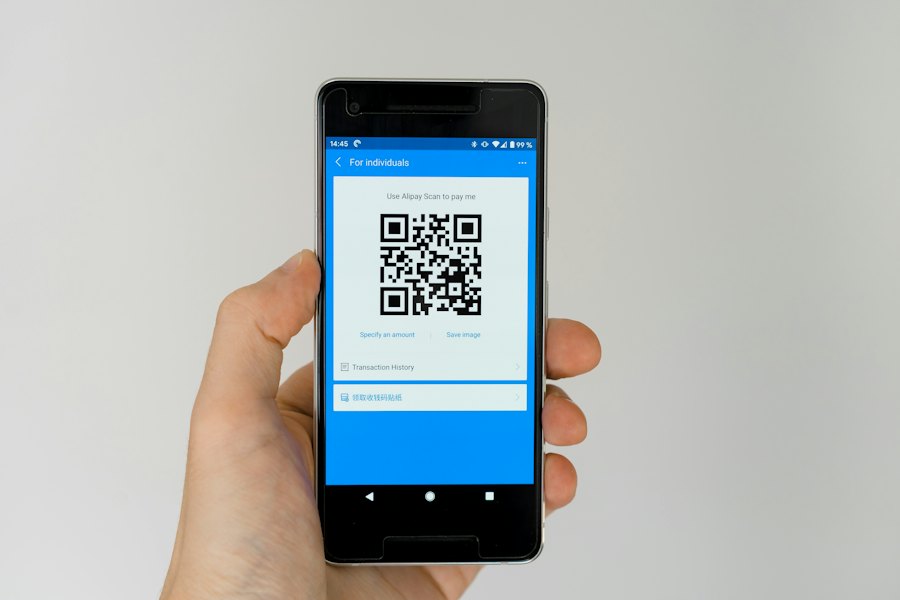
- Payment apps handle basic transactions only. They move money between two people and record nothing about the goods, the price agreement or the quality.
- Ecommerce is urban and does not reach last-mile producers. Its logistics, catalogues and onboarding assume addresses, smartphones and formal registration.
- Government schemes run in silos. Identity, subsidy, procurement and credit programmes keep separate records that do not connect to each other or to actual trade.
Each tool is useful in its own lane, yet none of them produces a continuous, verified record of a rural household as an economic actor, and that record is what formal finance asks for. MARCO fills the gap by applying Ecosystem Commerce to rural networks: producers, buyers, NGOs and lenders transact on one platform under shared rules.
How Does A Rural Commerce Platform Work
On MARCO, the rural configuration follows a simple sequence that repeats with every sale.
- Each producer and household is onboarded with a digital identity, often through a cooperative, a self-help group or an NGO field team that already knows them.
- Credentials are added for land, produce and transaction history as they are verified.
- Buyers and producer groups agree prices, grades, delivery terms and payment timing, and those terms are recorded as rules.
- At collection, the aggregator records quantity and quality against the producer, and the agreed price is applied.
- Produce is traced from producer to aggregator to market to consumer, with logistics documents attached.
- Settlement follows the rule, and the completed transaction is added to the producer record, with consent governing who may see it.
Trust in rural trade is local, so the onboarding route matters. The community commerce platform model explains how a community anchor can run a marketplace for its own members where formal systems rarely reach.
What Changes When Rural Commerce Runs On One Platform
Every producer and household gets a digital identity, with credentials for land, produce and transaction history. The producer owns those credentials and decides who sees them, which is the principle behind self-sovereign identity.
Pricing agreements, delivery terms and settlements are enforced automatically. A producer who was promised a premium for a higher grade receives it because the rule applies at the point of sale. Procurement, logistics and documentation are automated, and exceptions are flagged in real time.
Produce is traced from producer to aggregator to market to consumer. That last-mile traceability lets a buyer pay for verified origin, and it lets a development programme see what its support produced. The crop-specific version is covered in the guide to agricultural traceability from farm to fork.


Payment App Vs Ecommerce Vs Rural Commerce Platform
| Capability | Payment App | Urban Ecommerce | Rural Commerce On MARCO |
|---|---|---|---|
| Producer identity | Phone number or account | Seller registration | Verified identity with land and produce credentials |
| Price and terms | Outside the app | Set by listing | Agreed rules enforced at the transaction |
| Traceability | None | Order tracking to the buyer | Producer to aggregator to market to consumer |
| Credit record created | Payment flows only | Sales on one site | Verified history of produce, price and payment |
| Role for NGOs and lenders | None | None | Participants with consented access to outcomes and data |
How A Rural Commerce Platform Supports Financial Inclusion
Financial inclusion usually stalls at underwriting. A lender cannot price a loan to a borrower with no documented income, no collateral record and no repayment history, so the borrower turns to informal credit at high cost.
A few seasons of verified transactions change the assessment. The lender can see what the household produces, how regularly it sells, at what price and how promptly it is paid. Lenders can finally assess rural credit risk on evidence, and insurers can do the same for cover.
On MARCO, instalments, revolving credit and invoice discounting sit inside the order as contract terms. For a larger facility, a marketplace order can open a loan file in LOA, the loan origination product on the same platform. LOA reads the file at intake, calls bureau and KYC checks inside the workflow and logs every decision, so a rural loan is underwritten on the record the producer has built.
Who Benefits
- Producers and cooperatives gain formal markets, transparent pricing and a verifiable credit history.
- NGOs and development institutions see real-time outcomes and transparent subsidies and grants.
- Lenders can extend rural credit on traceable data.
- Governments get data-driven policy.
How MARCO Delivers A Rural Commerce Platform
Istakapaza configures rural networks as a governed ecosystem that connects producers, cooperatives, traders, NGOs and financial institutions on one infrastructure, as set out on the rural networks industry page. Trading runs on MARCO, which is live today as Baazaar and supports community and cooperative marketplaces.
- Identity for rural participants. MARCO verifies buyers and sellers and holds credentials for land, produce and transaction history.
- Smart-contract transactions. Prices, grades, delivery terms and settlements are enforced by rule at the point of sale.
- Group buying. Producers pool demand for inputs across five tiers from Solo to Titan, and everyone in the group pays the deepest price reached.
- Logistics and insurance. Fulfilment and last-mile delivery are synchronised with the order and settlement, and goods in transit are insured at checkout.
- Last-mile traceability. Every order is traceable to delivery, which gives NGOs and funders evidence of outcomes.
Personal data stays off chain and only the proof is anchored on Hyperledger Fabric, with sharing limited by purpose. Those controls are described on the governance and security page.
See MARCO On Your Own Rural Programme
- Book a rural commerce platform demo with the Istakapaza team.
- Bring a picture of one programme: the cooperative or producer group involved, its main buyers, the price and grade terms in use today and a sample of recent collection or payment records.
- The session shows that programme running on MARCO, with producers onboarded, the agreed price applied at collection, produce traced to the buyer and the resulting history ready for a lender in LOA.
Read more about MARCO, the white-label marketplace platform.
Frequently Asked Questions
What is the difference between a rural commerce platform and a payment app?
A payment app moves money between two accounts. A rural commerce platform records the whole trade: who produced the goods, what was agreed, what was delivered, at what quality and price, and when payment was made. That fuller record is what creates a credit history and supports traceability.
How does digital identity help rural financial inclusion?
Identity is the anchor for every other record. When a producer has a verified digital identity with credentials for land, produce and transactions, each sale adds to a history that belongs to that person. A lender or insurer can then assess the producer on evidence, with the producer consenting to what is shared.
Can producers without smartphones take part?
In most rural programmes, onboarding and recording are assisted. A cooperative officer, an aggregator or a field worker captures the transaction at the collection point on behalf of the producer, who confirms it. The identity and the record still belong to the producer, and direct access can follow as devices become available.
How do NGOs and development institutions use a rural commerce platform?
They join as participants with defined roles. Grants and subsidies can be disbursed against verified producers and tracked to outcomes such as volumes sold, prices achieved and payments received. Reporting draws on live transaction data, which gives funders a transparent view of what a programme delivered.
What software supports rural commerce and financial inclusion?
MARCO, the Istakapaza marketplace platform, runs rural trade as a governed community or cooperative marketplace with verified identity, enforced pricing, last-mile traceability and finance inside the order. LOA, on the same platform, lets a lender originate rural loans with the transaction record attached.
Glossary
- Financial Inclusion
- Access for individuals and small businesses to useful, affordable formal financial services.
- Last Mile
- The final or first segment of a supply chain, between the individual producer and the first aggregation point.
- Aggregator
- A trader, cooperative or collection centre that gathers produce from many small producers.
- Cooperative
- A member-owned organisation that trades or buys on behalf of its members.
- Credit History
- A documented record of income and payment behaviour that a lender uses to assess a borrower.
- Credential
- A signed, verifiable statement of a fact about a participant, such as land holding or past sales.
Back to the blog.